FPGA CAD · Rust
Helion
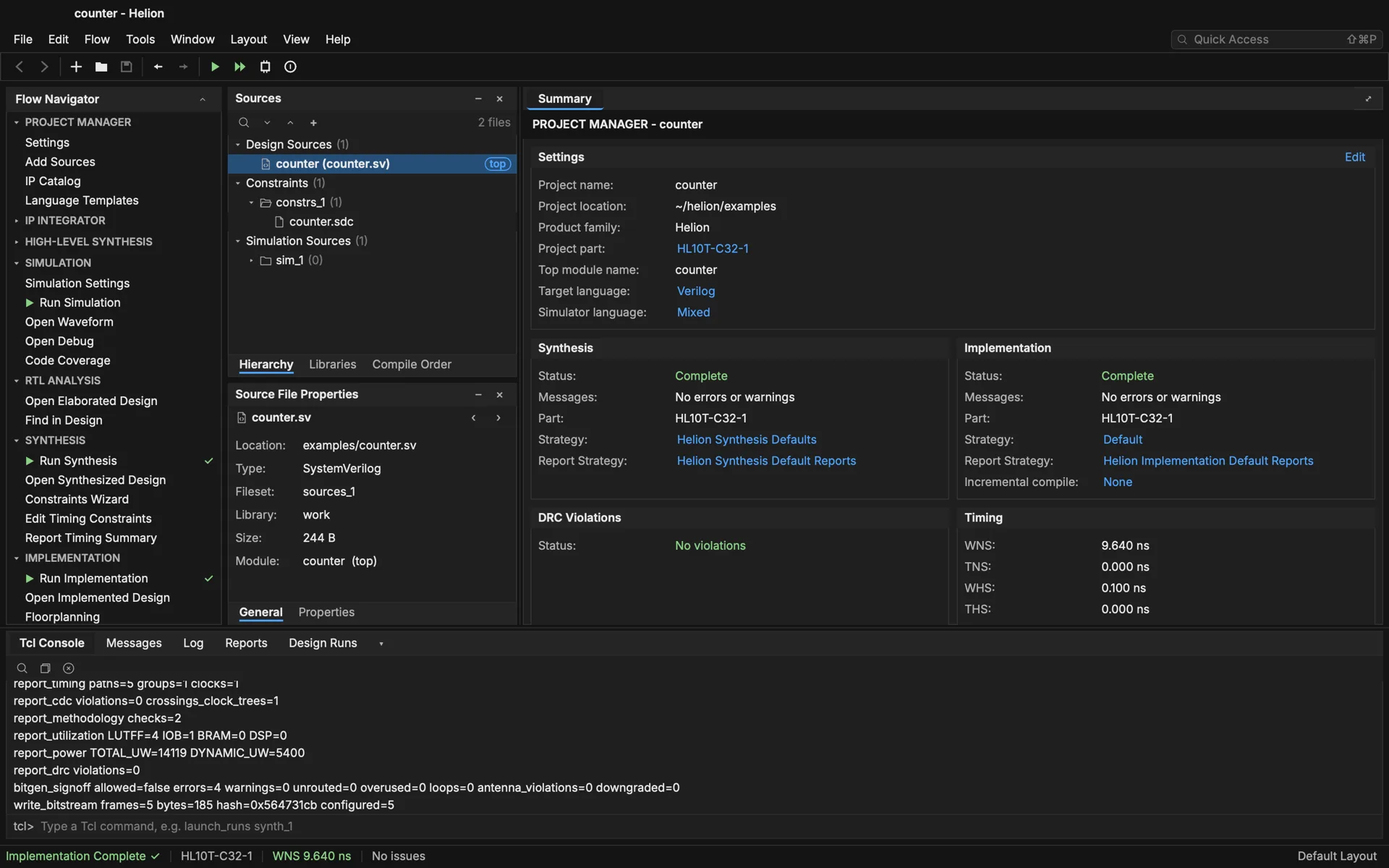
An open-source FPGA toolchain I’m writing from scratch in Rust.
8.9×faster than Yosys at synthesizing a PicoRV32 processor
The main things I’ve built. Each one has its own page on what it does, why I built it, and how it works.
Showing 11 of 11 projects
FPGA CAD · Rust
An open-source FPGA toolchain I’m writing from scratch in Rust.
Embedded · Zephyr
Firmware for a sensor that lives inside a mouthguard and tracks impacts.
Applied AI · Production
I built long-term memory for the AI tutor USF students use.
AI · Music
An AI that blends songs together the way a real DJ would.
Systems · Rust
Streams my screen to any browser with about half a second of delay, remote control included.
Applied AI · Vision
An AI coach that learns a physical skill from a single video.
Developer tool
A design review for desktop apps that AI coding agents built.
iOS · Civic
An iPhone app that helps families new to Miami, in their own language.

On-device ML
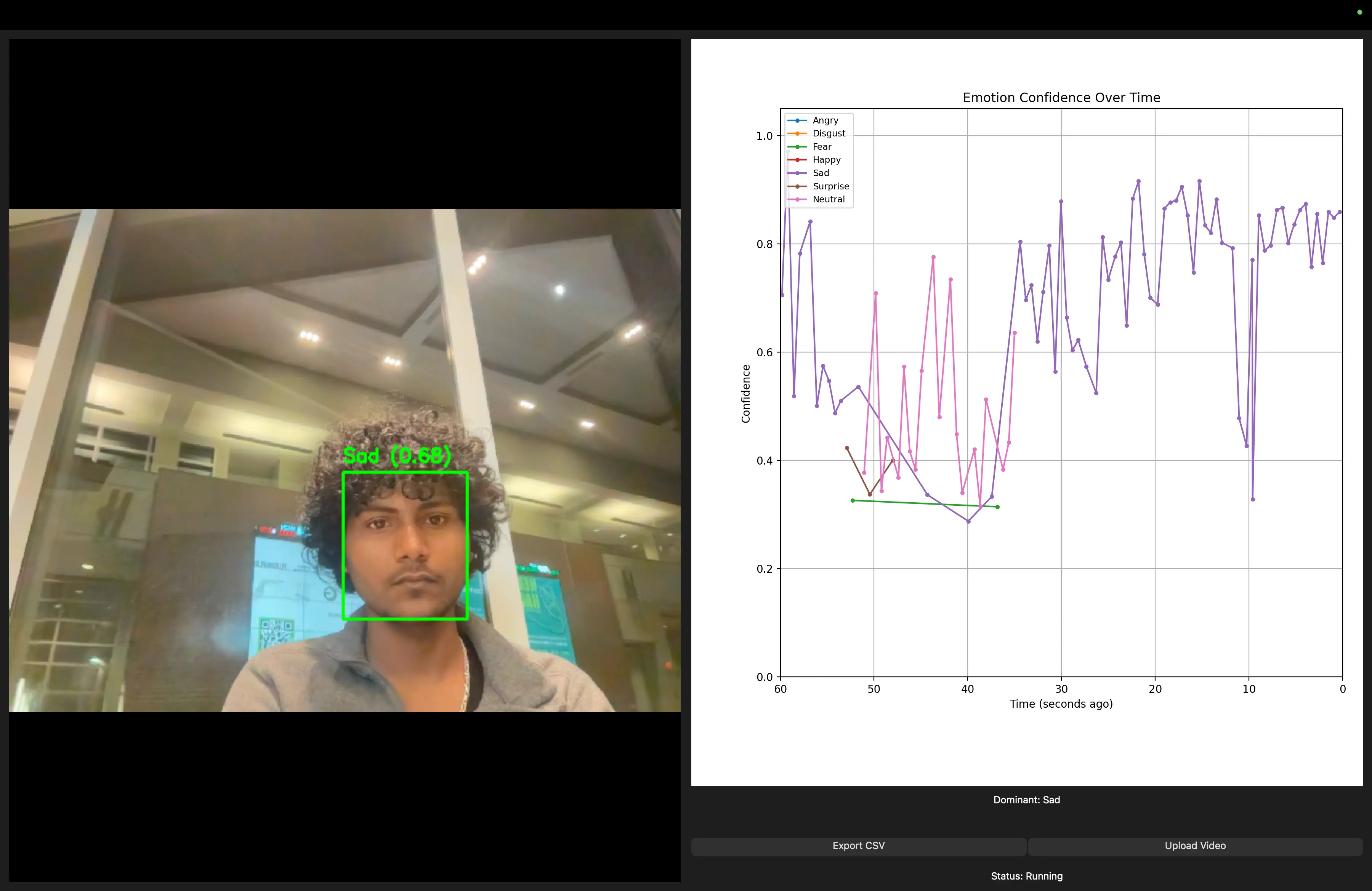
Real-time emotion detection that runs entirely on a Raspberry Pi.
Real-time graphics
A web app that turns whatever’s playing into live visuals.
Systems at scale
A site that tracked live ICU beds and oxygen during India’s 2021 COVID wave.
Smaller projects and experiments I’ve picked up along the way.
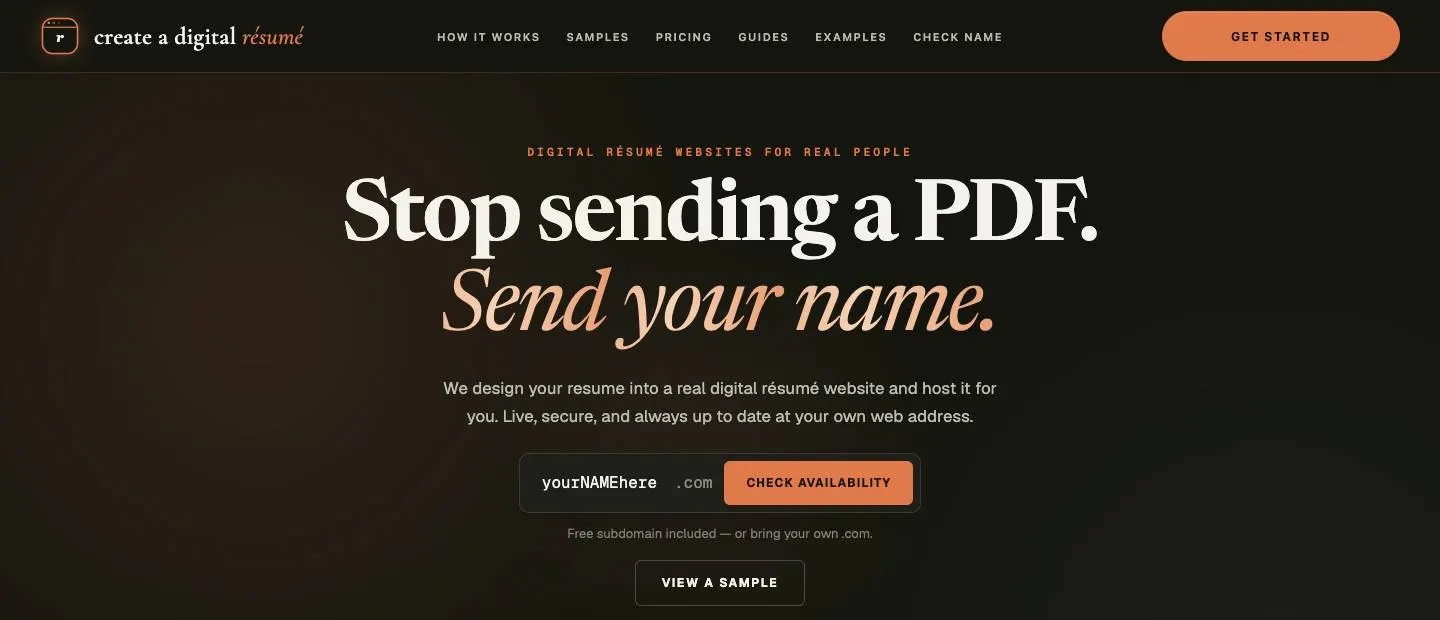
An AI pipeline that designs a personal website, reviews it, and fixes what’s broken before it goes live. It’s a 16-step LangGraph workflow, tested with Playwright across 8 templates.
A plugin for LMMS, the open-source music program, that lets an AI model drive it: add tracks, write notes, tweak the mixer. Every change can be undone with a snapshot, and it takes voice commands too.
Math research from USF. I found an exact formula for a counting problem, plus a second sequence that isn’t in the OEIS. My code gets an answer with 903,084 digits in about 36 ms; brute force takes over 11 seconds on a tiny case.
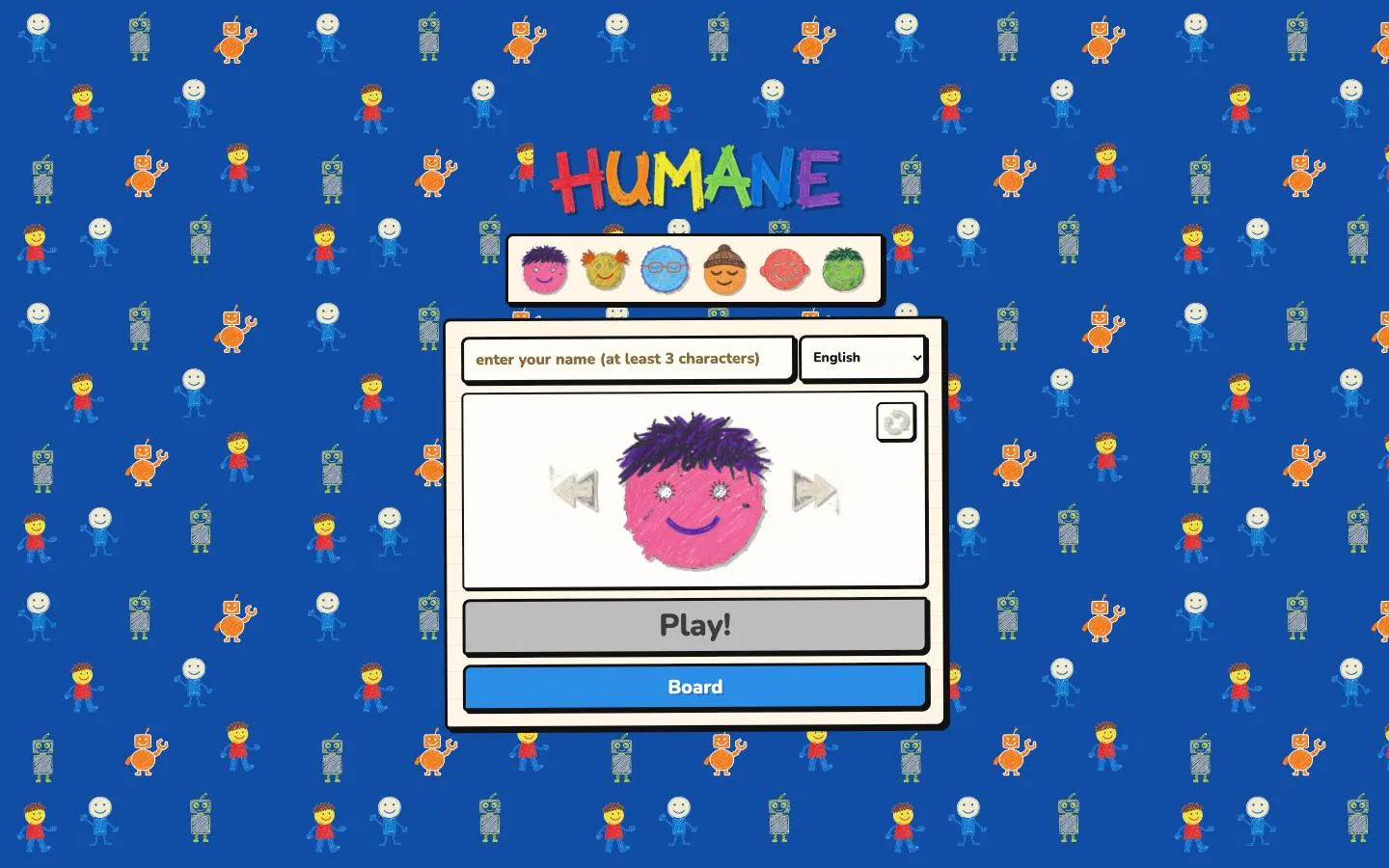
A daily game: read two short texts on the same topic and guess which one a human wrote. It runs on Cloudflare Workers, and all you need to play is a username.
A small programming language for math, with its own compiler that turns code into fast native code through LLVM. It can take derivatives two different ways.
I trained an RL agent to find the best seat in a library full of introverts. On 16 layouts it had never seen, it scored 47.9, close to a hand-written strategy (49.2) and way above random (−17.9).
An MCP server that lets an AI assistant use TikTok’s official APIs to post videos, save drafts, and read profiles. Everything stays a draft until I confirm it.
Most of what I build is public. Here’s my past year of commits, and the repos I’d start with. Everything else is on github.com/saksham-45